DATA MOVEMENT AND DATA STREAMING WITH CHANGE DATA CAPTURE
Build fast, flexible, enterprise-ready data pipelines
Book a demo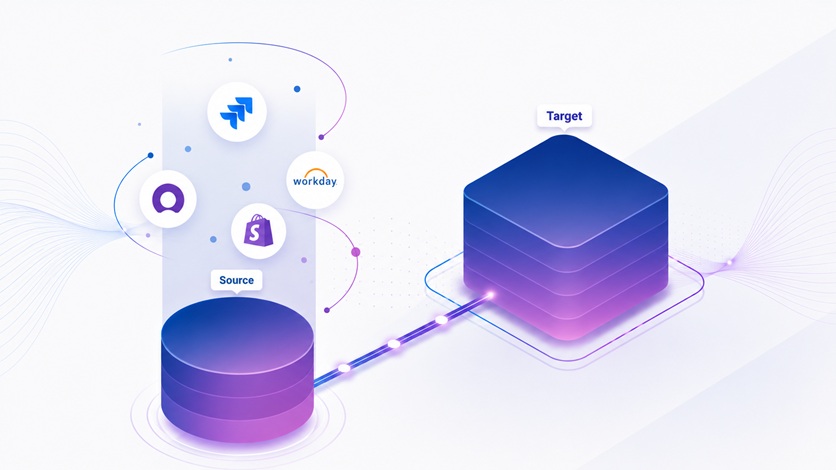
Qlik enables organizations to move and stream data securely and at scale, across their entire data landscape. From scheduled batch to real-time Change Data Capture (CDC), Qlik simplifies how data is delivered from operational systems to analytics platforms.
With support for cloud, hybrid, and on-prem environments, Qlik helps organizations ensure that trusted, analytics / AI / ML-ready data is always available when it’s needed

Real-Time Data Streaming
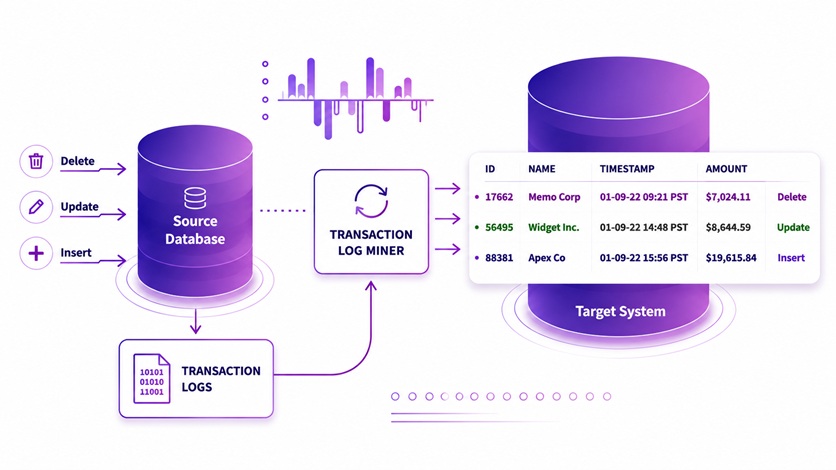
Qlik’s Change Data Capture (CDC) technology enables continuous and efficient movement of data changes between systems. By transferring only changes or incremental updates rather than full datasets, CDC reduces system load while keeping data platforms continuously updated.
This approach allows organizations to support near real-time analytics / AI / ML, while maintaining high performance and reliability.
- Continuous streaming of data changes with minimal latency
- Lightweight deployment that minimizes impact on source systems
- Replication across cloud, hybrid, and on-prem environments
Flexible Deployment
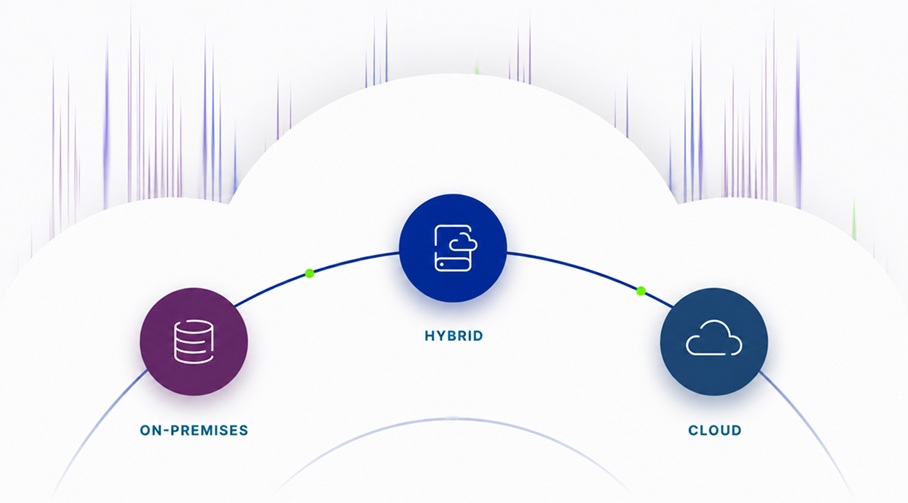
Qlik supports flexible deployment models that adapt to evolving data infrastructures. Organizations can deploy and manage data pipelines in the cloud, on-premises, or across hybrid environments while maintaining a consistent operational experience.
This flexibility allows teams to integrate data across legacy and modern platforms without being constrained by infrastructure choices.
- Cloud, on-premises, and hybrid deployment options
- Compatibility with both legacy and modern data platforms
- Modular architecture designed for long-term scalability
Centralized Control
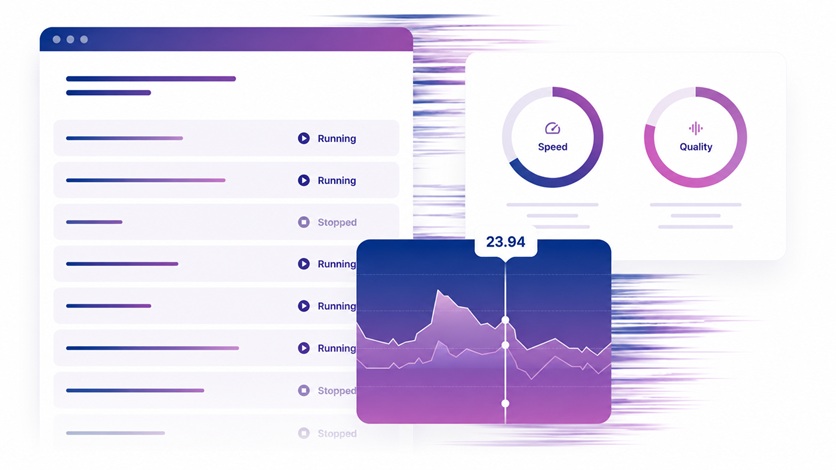
Managing data pipelines across multiple systems can quickly become complex. Qlik provides centralized monitoring, orchestration, and management capabilities that give teams full visibility into how data moves across the organization.
This centralized approach improves governance, operational efficiency, and reliability by allowing teams to monitor activity, identify issues quickly, and maintain consistent performance.
- End-to-end monitoring and orchestration of data pipelines
- Built-in alerts, performance indicators, and operational insights
- Optimized resource usage and workload management
Broad Data Connectivity
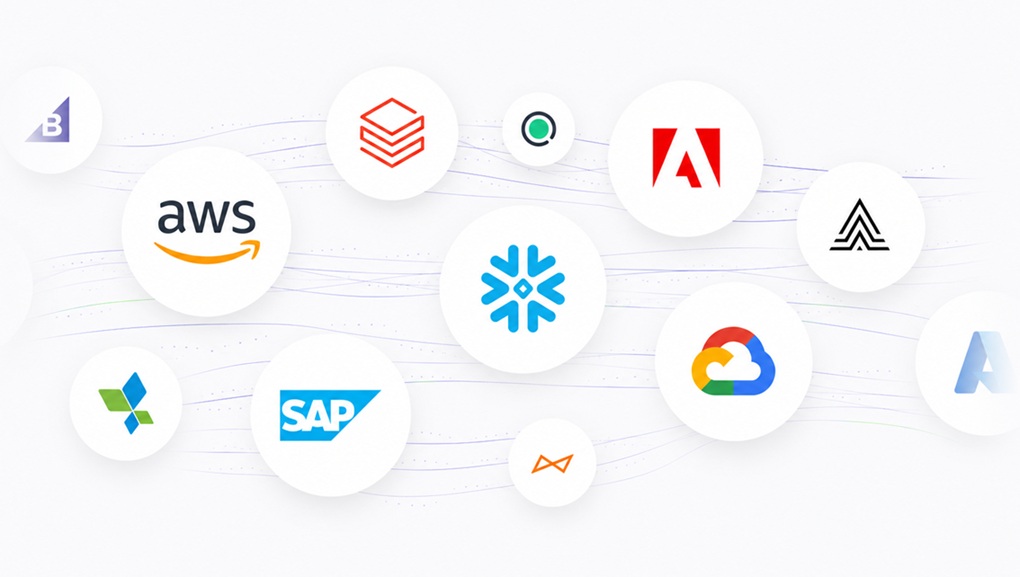
Modern organizations operate across diverse data environments. Qlik supports a wide range of data sources, from traditional enterprise systems, mainframes, and SAP to modern cloud applications, APIs, and SaaS platforms.
Data pipelines can be created and managed through a unified interface that simplifies integration and reduces operational complexity.
- Integrate structured, semi-structured, and unstructured data
- Built-in connectivity for databases, files, APIs, and cloud platforms
- Open APIs that enable extensibility and automation
Ready to get more from your data?
How Teams Solve Their Data Challenges
Data Engineer

Data Engineer
BI Manager
BI Manager
IT Director
IT Director
Ready to move your data in real time?
Let’s talk. Leave your details below
FAQs
CDC is a replication method that captures only data changes or incremental updates instead of moving entire datasets, reducing system load and enabling near real-time data delivery.
Batch ETL moves data in scheduled intervals, often processing large datasets at specific times. Data streaming continuously captures and delivers changes as they happen, enabling near real-time availability and reducing latency across systems.
Qlik uses log-based Change Data Capture (CDC) to read transactional changes directly from database logs rather than querying full tables. This lightweight approach minimizes impact on operational systems while continuously replicating updates in real time.
Qlik supports connectivity across databases, SAP systems, mainframes, cloud platforms, SaaS applications, APIs, and other structured or unstructured data sources.
Qlik uses lightweight, log-based replication methods that reduce the need for heavy extraction processes and minimize performance impact on operational systems.
Yes. Qlik provides centralized monitoring and orchestration capabilities that give teams visibility into pipeline performance, activity, and operational status.
Yes. Qlik supports real-time streaming across on-premises, cloud, and hybrid environments, enabling continuous replication from operational databases to cloud platforms with centralized monitoring and management.
Qlik provides centralized monitoring, role-based access controls, encrypted data transfer, operational alerts, and performance visibility across pipelines. These capabilities help organizations maintain governance, reliability, and secure data movement at scale.